
Imagine waking up every month knowing a fixed amount of money has been deposited into your account—no application, no conditions, no questions asked. Would this create a fairer society, or would it discourage people from working?
What is UBI?
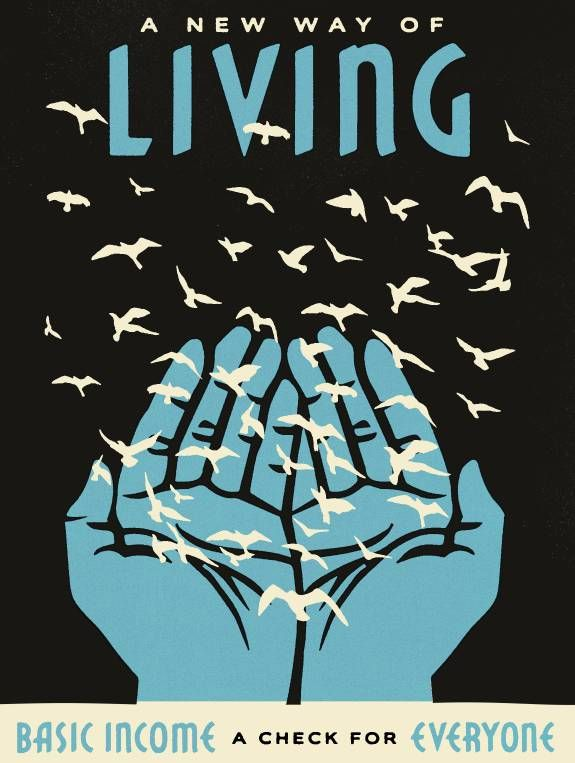
Universal Basic Income (UBI) is an economic and social policy in which every citizen receives a fixed amount of money from the government on a regular basis, regardless of their income or employment status. Because the payment is unconditional, recipients are free to decide how to spend it without meeting eligibility requirements. The primary objectives of UBI are to reduce poverty, decrease income inequality, and guarantee a minimum standard of living by ensuring that everyone’s basic needs, such as food, housing, and healthcare are met.
The Benefits of Universal Basic Income
Supporters of Universal Basic Income argue that it could significantly reduce poverty by ensuring that everyone has enough money to cover their basic needs. Unlike traditional welfare programs, UBI could simplify the social security system by replacing multiple forms of financial assistance with a single, unconditional payment, reducing bureaucracy and administrative costs. In addition, a guaranteed income may give people the confidence to pursue higher education, start a business, or develop new skills without the constant fear of financial instability. Also, as artificial intelligence and automation continue to transform the job market, many economists also believe that UBI could provide essential financial support for workers whose jobs are displaced by technological advancements.

The Challenges and Criticisms of Universal Basic Income
Despite its potential benefits, Universal Basic Income has also been criticized for several economic and practical reasons. One of the main concerns is its enormous cost. Providing every citizen with a regular income would require governments to raise substantial amounts of money, either through higher taxes, increased public debt, or by cutting other public services. Critics argue that financing such a program could place a significant burden on taxpayers and reduce funds available for essential sectors such as education, healthcare, and infrastructure.
Another criticism concerns fairness. Since Universal Basic Income is universal by definition, every citizen would receive the same payment regardless of their financial situation. This means that billionaires and low-income families alike would be entitled to the same amount of money. Critics argue that this is an inefficient use of public funds, as resources would also be distributed to people who do not need financial assistance. They believe that government spending should instead focus on those who are unemployed, living in poverty, or otherwise financially vulnerable. Supporters, however, respond that a universal system is simpler to administer, reduces bureaucracy, and avoids the stigma that can be associated with means-tested welfare programs. They also point out that in many UBI proposals, wealthier individuals would effectively pay back the benefit through progressive taxation.
Also one of the most common concern is the possible effect of UBI on people’s willingness to work. While many individuals would likely continue working to achieve higher living standards, some economists suggest that a guaranteed income might encourage certain people to work fewer hours or leave the labor force altogether, particularly in low-paying or physically demanding jobs. If a large number of workers made this choice, industries that rely on essential labor—such as agriculture, food production, transportation, manufacturing, and elderly care—could face labor shortages.
These shortages could have wider consequences for the economy. A reduction in the number of workers producing food, consumer goods, or other necessities could lead to lower overall production. If demand remained the same while the supply of goods decreased, prices could rise because fewer products would be available for consumers. In this situation, people might receive more money through UBI but still find that their purchasing power has not improved significantly, as essential goods become more expensive or less readily available. In other words, having more money does not automatically guarantee access to more goods if production cannot keep up with demand.
Some economists also worry that injecting large amounts of money into the economy without a corresponding increase in productivity could contribute to inflation. However, others argue that the impact would depend on how UBI is financed and implemented. If the policy were introduced gradually, funded through tax reforms rather than excessive money creation, and accompanied by measures that support productivity, the inflationary effects might be limited. For this reason, many experts believe that the success or failure of UBI depends not only on the idea itself but also on the way it is designed and managed.
The Psychological Impact of UBI and it’s Possible Effects to Mental Health
Beyond its economic implications, Universal Basic Income could also have significant psychological effects. Financial insecurity is one of the leading sources of stress and anxiety, particularly for individuals struggling to meet their basic needs. By guaranteeing a stable source of income, UBI could reduce financial pressure and allow people to focus on other aspects of their lives, such as education, family, personal development, and long-term goals. Research has consistently shown that chronic financial stress can negatively affect mental health, decision-making, and overall well-being, suggesting that greater financial security may improve both happiness and life satisfaction.
However, the psychological impact of UBI is more complex than simply reducing stress. Many psychologists argue that work provides more than just an income—it also offers structure, social interaction, a sense of purpose, and personal achievement. Employment often plays an important role in shaping a person’s identity and self-esteem. If fewer people chose to participate in the workforce, some individuals might experience feelings of isolation, boredom, or a loss of meaning, even if their financial needs were met.
On the other hand, supporters believe that UBI could allow people to pursue work they genuinely enjoy rather than accepting any job solely for financial survival. With a guaranteed income, individuals might be more willing to start a business, volunteer, care for family members, continue their education, or engage in creative fields such as art, writing, or scientific research. Instead of reducing motivation, they argue, UBI could shift people’s motivation from earning money out of necessity to pursuing goals driven by passion, curiosity, and personal fulfillment.
Ultimately, the psychological effects of Universal Basic Income would likely vary from person to person. While some individuals might become less motivated to work, others could become more productive, creative, and satisfied with their lives. Whether UBI strengthens or weakens motivation may depend less on the policy itself and more on individual values, social expectations, and the opportunities available within a society.

Legal and Political Challenges of Universal Basic Income
On the other hand, Universal Basic Income also raises important legal and political questions. One of the biggest debates is whether governments have a responsibility to guarantee every citizen a minimum standard of living. Supporters argue that access to basic financial security should be considered a fundamental social right, especially in wealthy countries where resources are available. Critics, however, believe that while governments should protect vulnerable populations, they are not necessarily obligated to provide unconditional income to every individual regardless of their financial situation.
Another controversial issue is eligibility. Should UBI be available only to citizens, or should permanent residents, refugees, and immigrants also qualify? Limiting payments to citizens may reduce the financial burden on governments, but it could also create inequalities between people who live, work, and pay taxes in the same country. On the other hand, extending UBI to everyone could significantly increase the program’s cost and may influence immigration policies, making the issue politically sensitive.
Policymakers must also decide whether Universal Basic Income should replace existing welfare programs or operate alongside them. Some economists argue that replacing multiple social assistance programs with a single unconditional payment would reduce bureaucracy, lower administrative costs, and make the system easier to understand. Others worry that vulnerable groups—including people with disabilities, elderly individuals with additional needs, or those requiring specialized support—might receive less assistance than they do under targeted welfare programs. For this reason, many experts suggest that UBI should complement rather than completely replace existing social services.
Ultimately, the legal and political success of Universal Basic Income depends on how it is designed. Questions about fairness, eligibility, taxation, and the role of government have no universal answers, as each country’s economy, legal system, and social priorities are different. Rather than asking whether UBI is simply “good” or “bad,” policymakers must determine how it can be implemented in a way that is both economically sustainable and socially fair.
Real-World Experiments with UBI
Although Universal Basic Income has not yet been implemented on a large national scale in most countries, several governments have conducted pilot programs to examine its potential effects. These experiments have provided valuable insights into how UBI may influence employment, financial security, and overall well-being.
One of the most well-known trials took place in Finland between 2017 and 2018. During the experiment, 2,000 randomly selected unemployed individuals received a monthly payment regardless of whether they found a job. The results showed that participants reported lower levels of stress, greater life satisfaction, and improved mental well-being compared to those in the traditional unemployment system. However, the experiment found only limited evidence that UBI significantly increased employment, suggesting that while financial security improved, it did not dramatically change people’s willingness to work.
Another frequently discussed example is the Alaska Permanent Fund Dividend in the United States. Although it is not a true Universal Basic Income, Alaska distributes an annual payment to eligible residents using revenue generated from the state’s oil industry. Studies suggest that these payments have not caused a major decline in employment, while providing many families with additional financial security and helping to reduce poverty in the state.
Smaller pilot programs have also been carried out in countries such as Canada, Kenya, and the United States. Many of these projects reported improvements in financial stability, mental health, and educational outcomes. However, because most experiments involved relatively small groups of people or lasted only a few years, researchers caution that their findings cannot necessarily predict what would happen if UBI were implemented nationwide over the long term.
Overall, these experiments suggest that Universal Basic Income can improve financial security and well-being, but they also highlight that many important questions remain unanswered. The long-term effects on employment, inflation, public finances, and economic productivity are still uncertain, meaning that further research and larger-scale trials are needed before governments can confidently adopt such a policy.
Could Universal Basic Income Shape the Future?
As technology continues to advance, the debate surrounding Universal Basic Income is becoming increasingly relevant. Artificial intelligence, robotics, and automation are transforming the global workforce at an unprecedented pace. While these innovations can increase productivity and improve living standards, they may also replace millions of jobs, particularly those involving routine tasks. This raises an important question: if fewer people can earn a stable income through employment, how will societies ensure that everyone’s basic needs are met?
Supporters argue that Universal Basic Income could play an essential role in the future economy. Rather than replacing work, it could provide financial security during periods of technological change, allowing people to retrain, pursue higher education, start businesses, or transition into new careers. In an increasingly unpredictable job market, UBI could encourage both innovation and entrepreneurship.
However, critics argue that technological progress does not simply eliminate jobs—it also creates new industries and career opportunities. From the Industrial Revolution to the rise of the internet, technological advances have reshaped the labor market while generating entirely new professions. They believe that investing in education, vocational training, and workforce development may be a more sustainable solution than providing unconditional income to every citizen.
Ultimately, Universal Basic Income should be viewed neither as a perfect solution nor as an unrealistic dream. Instead, it represents one possible response to the challenges created by technology and automation. Whether UBI becomes a defining feature of future economies or remains a policy proposal, it has already encouraged governments, economists, and citizens to reconsider one of society’s most important questions: What responsibilities do governments have in ensuring economic security in the twenty-first century?

Leave a Reply