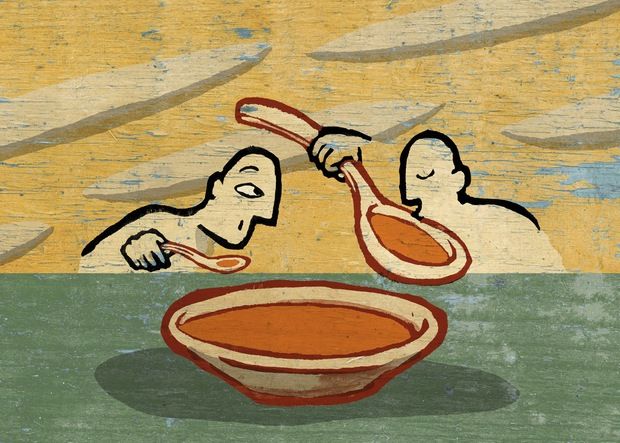
In modern societies, “justice” generally means that everyone is equal before the rules. However, people don’t just look at laws when evaluating how fair a society is; they also consider economic inequality, opportunities, and living conditions. As the gap between rich and poor widens in a society, people begin to question whether the system is truly fair. Therefore, economic inequality is not just an economic issue, but also a psychological and political factor that shapes people’s perception of justice.
Inequality and Perception of Justice
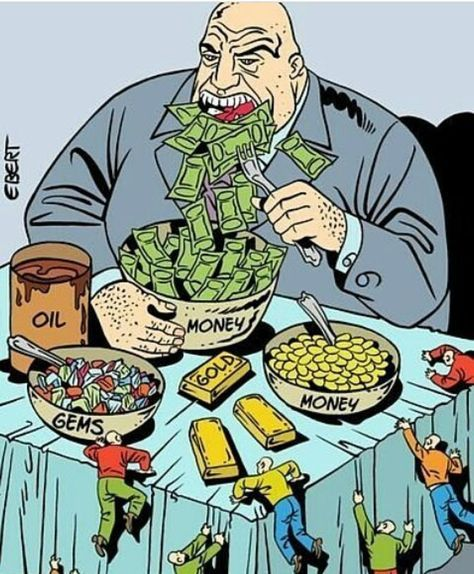
As income disparities increase in a society, people often begin to feel that the rules don’t apply equally to everyone. For example, the fact that very wealthy individuals may have access to better education, better healthcare, or more opportunities can create a feeling in some people that the system is not “equal.” This can affect people’s trust in the government, institutions, and even the law. In short, when inequality increases, people may experience discomfort not only economically but also in terms of their sense of justice.
Psychological Dimension
From a psychological perspective, people don’t just evaluate their own situations; they also compare themselves to others. If people see individuals who work hard but still struggle to make ends meet, while others are born with significant advantages, this can justifiably reinforce a perception of injustice. Therefore, inequality is not only about material differences; it is also about how people perceive their place in society.
Economic inequality and social corruption
Some sociologists and economists argue that economic inequality can weaken trust and solidarity within society.For example, Thomas Piketty and Joseph Stiglitz argue that high inequality can have not only economic but also political and social consequences. Trust in institutions can decrease when people begin to believe the system is unfair. Over time, this can also affect individuals' motivation to follow rules. For example, when people think "the system is unfair anyway," behaviors like tax evasion, corruption, or bending the rules may be more easily justified.

However, this relationship is not absolute. Some societies with strong institutions, effective rule of law, and high levels of social trust can maintain their social order despite high levels of inequality. Therefore, economic inequality may lead to social corruption under some circumstances, but not under others.
Inequality is not the only factor that changes the perception of justice.
People's perception of "justice" generally depends on three things: 1) economic justice (income distribution), 2) legal justice (the same rules for all), and 3) political justice (representation and freedom). If a society only has economic equality but lacks the others, people may still not perceive the system as just. Theoretically, communist systems aim to increase economic equality. However, in some historical examples, such as the Soviet Union and North Korea, factors like limited political freedoms, the centralization of state power, and the lack of judicial independence have weakened people's perception of justice. Economic equality can strengthen the perception of justice, but justice is not solely about equal income distribution. For people to see a system as just, they must also believe in the impartiality of the law and the reliability of its institutions.
In conclusion
Consequently, economic inequality also affects how people perceive how fair society is. When people begin to think that the rules are not applied equally to everyone and that not everyone is competing on a level playing field, trust in institutions can weaken and social tensions can increase. Therefore, the debate about inequality actually points to a larger question: When can a society truly be considered fair?

Leave a comment