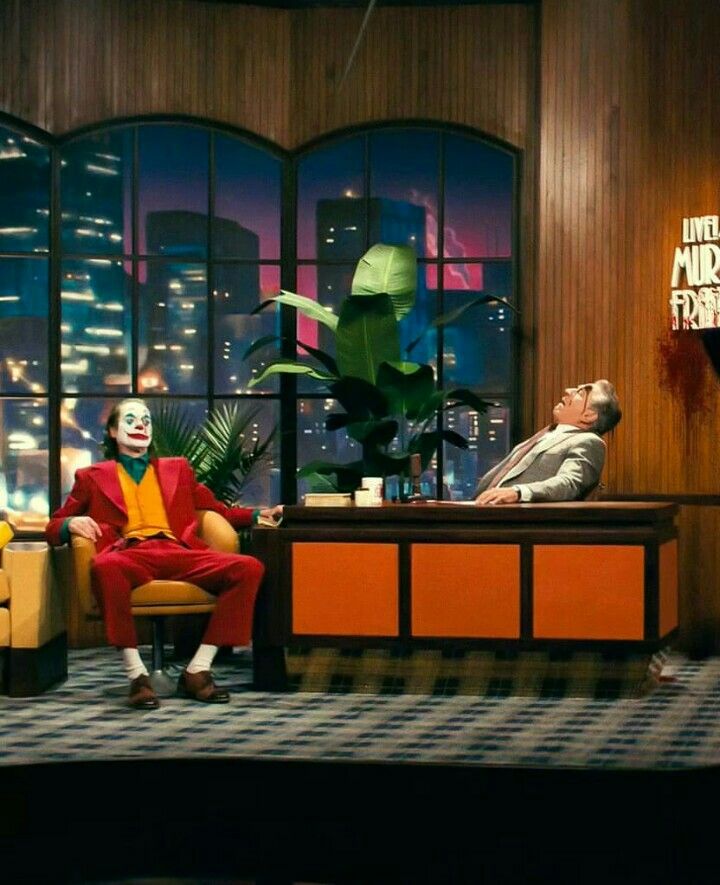
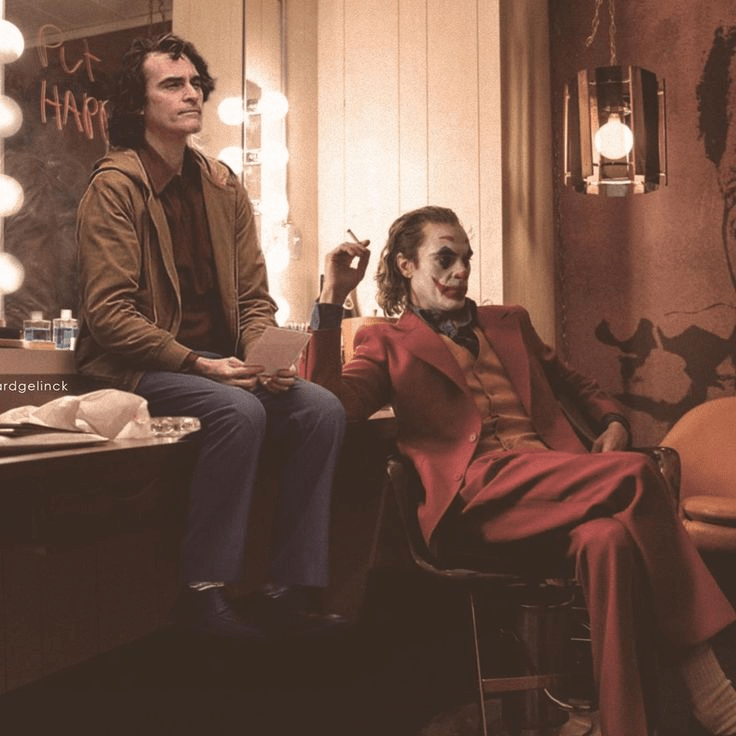
If we find ourselves sympathizing with a criminal while watching them, is the problem within us and the criminal or is it about something else? Productions like Joker and Breaking Bad make characters we label as “evil” understandable, even sometimes plausible. They make us empathize with characters who commit crimes, cause harm, and in some cases, ruin the lives of others. But despite those things we still try to understand their stories, we sometimes even acknowledge them to be right. Arthur Fleck in Joker or Walter White in Breaking Bad are prime examples of this unsettling closeness. But what does this empathy say about our understanding of justice?
Does the cause mitigate the crime?
According to the legal system, what matters is not why you did it, but what you did, and for this reason, what is morally “understandable” may not be legally acceptable. In other words, a legal crime is not always equivalent to a moral crime. A person found guilty legally may not have committed a moral crime.
Conversely, the difficult circumstances in which people live can influence how a crime is assessed. In law, an act is a crime regardless of the circumstances under which it is committed. However, factors such as poverty, oppression, and psychological problems can affect the severity of the punishment.
From a psychological perspective, it could be said, “Under these circumstances, they had no other choice,” while from a legal perspective, it could be argued, “Nevertheless, they were the one who made the choice.” The law deliberately maintains this rigid line to protect social order. Because declaring the system the primary perpetrator of the crime eliminates accountability.
“I would’ve done the same if I was in their place”
Some characters, even if they are bad and labeled as such by those around them, can seem understandable to us, even making us think, “I would have done the same.” This is because the actions themselves are less important than the detailed depiction of the path leading to those actions. Factors like trauma, exclusion, and helplessness, which we also encounter in daily life, make the characters’ behavior explainable. There’s an important distinction in psychology: explaining a behavior is not the same as excusing it. However, the human mind easily blurs this line. When we understand the reasons behind an action, we begin to perceive it as less “bad.” Especially in characters who are excluded from society, marginated or constantly losing, empathy stretches moral boundaries. This creates a dangerous tension between empathy and responsibility. Understanding causality can weaken the desire to punish.
When do people find it rational to be evil?
In a society rife with poverty, insecurity, and a lack of social movement, people are justified in considering what they gain from obeying the rules. If a political system doesn’t reward hard work, doesn’t allow fair promotion, and instead engages in nepotism and favoritism, then “bad” behavior can become a rational strategy for an individual. For example, Arthur Fleck’s propensity for violence can be interpreted not so much as a personal evil, but rather as a product of societal neglect and economic injustice, and also as a defense mechanism against bullying. Another striking example of this is the fact that in many countries today, children envy the members of the mafias and try to emulate them. So in this context we can also state that villains are not born, they are created.
🍏 Rotten apple 🍎
In politics, the phrase “rotten apple” is used to describe a small number of flawed, corrupt, or criminal individuals within a large structure, institution, or group. It’s often used in political discourse to downplay structural problems, reduce blame to individuals, and claim the system as a whole is clean. It conveys the message that “the individual, not the institution, is to blame” in order to protect the institution’s reputation. The system tries to portray the problem as individual, but if the “apple tree” hasn’t been treated or even fertilized, the rotting of the “apples” is inevitable. The system can make certain behaviors almost inevitable through inequality of opportunity, lack of inspection, or structural loopholes.

Leave a comment