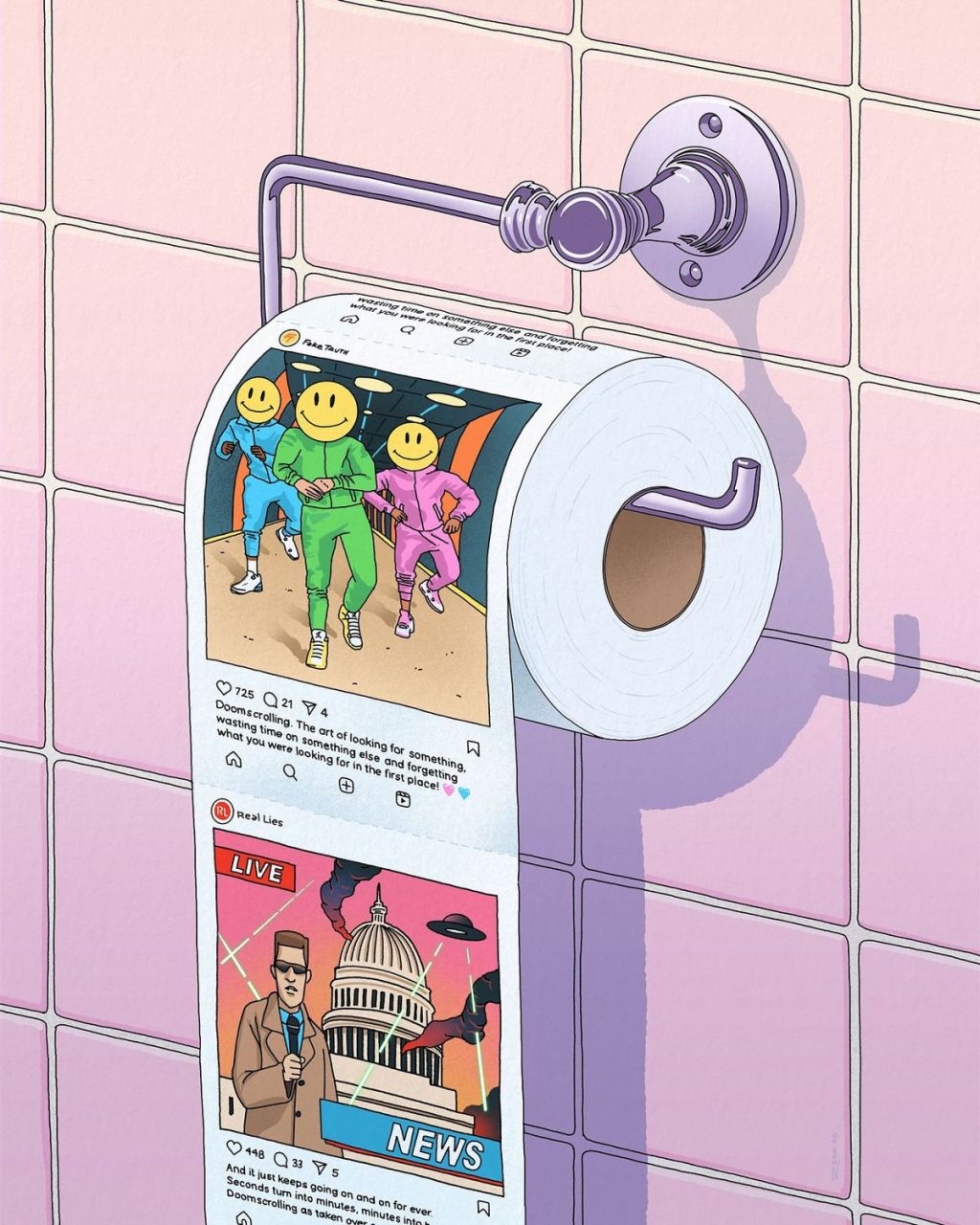
Social media platforms have turned people’s time and attention into commodities. Every time we scroll, click, or like, we make a small but measurable contribution to a vast “attention market.” These seemingly free services actually feed off our brain’s chemical circuits—this is the dopamine economy.
Every notification sound feels like a small reward. When we look at the screen, a chemical reaction activates in our brains, creating the feeling of “we’ve won.” But who really wins? Us, or that invisible economic system that ties us to our screens?
Reward Mechanism of the Brain
Dopamine is a neurotransmitter that plays a key role in the brain's reward system. Whenever we do something we enjoy—receiving a text message, getting likes on a photo—dopamine is released. This chemical signals us to keep going because it feels good.
Social media designers have mastered this mechanism perfectly. Random notifications create a "variable ratio reward system"—just like slot machines. The brain finds uncertainty more stimulating than the reward itself. This increases dopamine release, keeps the user engaged, and the platform wins. It also forms the neuropsychological basis for user addiction, FOMO (fear of missing out), and instant satisfaction.
How Emotions Turn Into Money
From an economic perspective, social media giants buy user attention and sell it to advertisers. Every dopamine burst represents a microeconomic transaction. More notifications = more dopamine = more screen time = more revenue.
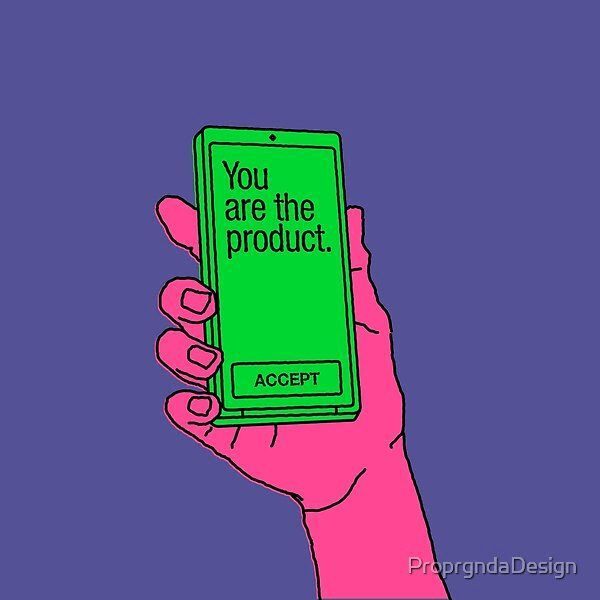
This system exposes the dark side of behavioral economics: humans are emotional beings, not rational ones. Platforms profit from our irrational impulses, not our rational decisions. The discourse "If the product is free, you are the product" is no longer just a metaphor—it's an economic reality.
Who will protect our brains?
If a system profits from people's neurochemistry, is it ethical? Regulations like the European Union's Digital Services Act attempt to hold platforms accountable for manipulative designs. But this also raises questions about ethics and freedom: Is the time we spend on social media driven by choice or conditioning?
Is there a solution?
While all the videos we scroll is stealing from our lives,
they give what they stole to the people behind these applications.
Breaking the habit of constantly scrolling on social media starts with awareness: it's important to recognize how much time we're spending and how it's affecting us. Turning off the notifications, setting specific app times, or keeping your phone screen out of the bedroom are practical methods. Furthermore, filling the emotional void that triggers the need to scroll with other activities—taking a walk, reading a book, or engaging in short meditations—helps break the dopamine cycle. Small steps and conscious choices are the most effective way to reduce screen addiction, which becomes automatic over time. It's important to remember that the value of dopamine gained in a short time is less than the value of dopamine gained after a longer period of effort.

Leave a comment