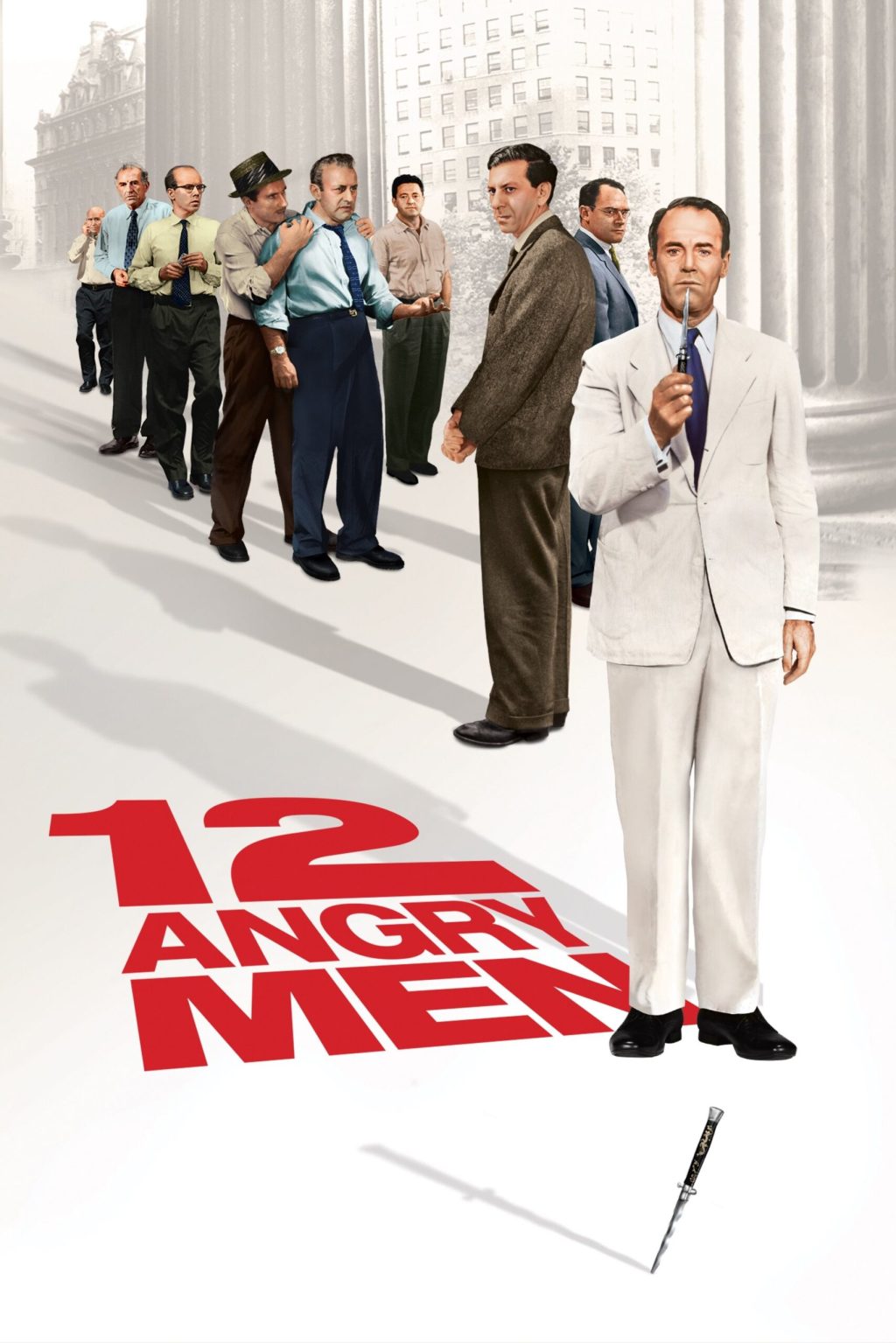
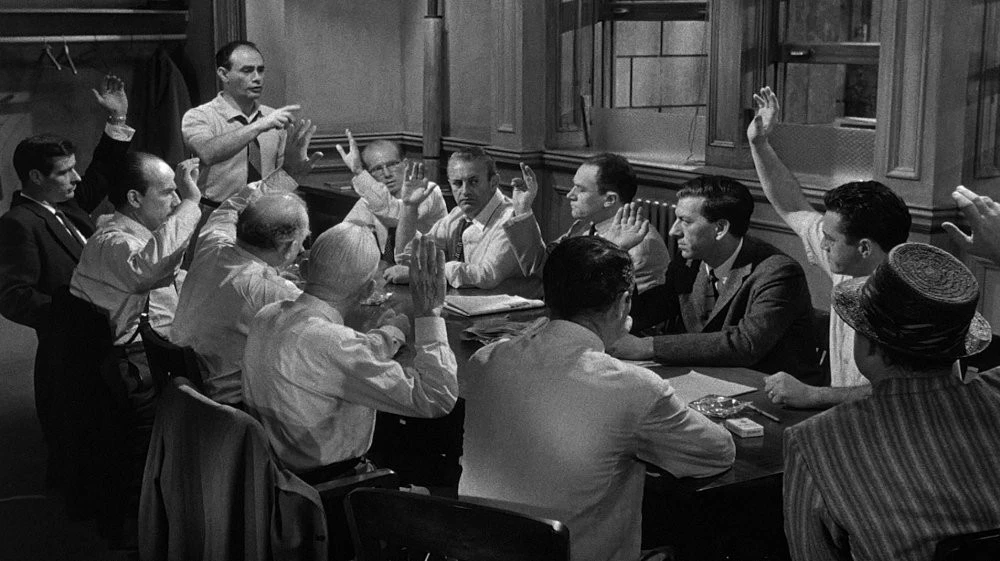
I watched a movie called "12 Angry Men" the other day, and I really enjoyed it. To briefly explain the plot, it's about a juror in a trial who tries to convince the other eleven jurors that the suspect is innocent, based on reasonable doubt. The film is notable for being shot almost exclusively on one set, and except for the three-minute screen time at the beginning and end of the film and the adjacent bathroom scene, the jury room is the only location used throughout the film.
After watching it, I realized how simple, how human, the sight of men sweating, smoking, and arguing in a small room seems, in the face of effects, flashbulbs, and social media commentary. Now, everything is so fast, so loud. Even the trials are broadcast live, while people, with all their nerve, decide who's right and who's wrong on Twitter. It's as if justice has become a "trend" to be left with comments.
To Kill a Mockingbird
I haven't actually read Harper Lee's book "To Kill a Mockingbird," but I did watch the movie last year, and it taught me that the point isn't "being proven right," but more importantly, "understanding" the witness and everyone involved in the incident. This made me think a lot, because most people don't have this level of patience or silence in their relationship with justice anymore. Let me give you an example from the country I live in. I can't remember the exact date, but last year, a decree was passed that stray dogs were attacking people and that they would be rounded up and killed with medication. This isn't actually a good example because killing any living creature is cruel, and I absolutely don't support it, but I used this example just to illustrate plus it was the first example that came to my mind. After this decree was passed, people started protesting on social media to prevent it from taking effect. They shared stories (I did too), created posts, and tried to raise awareness in their own way. I don't find this wrong in such a situation because everyone is free to express their opinions as they wish and I think they were absolutely right with the opinions they expressed. However, if there had been another case where both sides were right in their own way, I wonder if these protests, propaganda, and even the very likely fake news would have affected the decisions about the witnesses.
📱justice on screen📱
Once upon a time, people would sit in a room for minutes, silent and thoughtful, like the people in 12 Angry Men. Now, no one waits that long. Decisions come in seconds, comments in minutes. But something has been lost in the meantime: the slowness of conscience. To understand a case, sometimes you need to stop and think. But screens no longer allow that.

Justice has become, as it were, a "content" measure, measured by viewership. People used to want to experience justice; now it's as if they just want to "comment."
can we really handle the truth?
In the 1992 film A Few Good Men, it says in one scene, “You can’t handle the truth!” and I think this is a statement that can be said to today’s justice system, the media, and those responsible for providing justice: Do we want the truth, or just a version of it that we like?
longing for humanity
In old movies, to understand a case, people talk, listen, and think. They make mistakes, but they try to understand. Today, everything is much more systematic, much more efficient, but I'm not sure if it's more "conscious". But I'm certain that there's an unseen tip of the iceberg in every situation, and perhaps the whole point is to stop, listen, think, and then speak.

Leave a comment