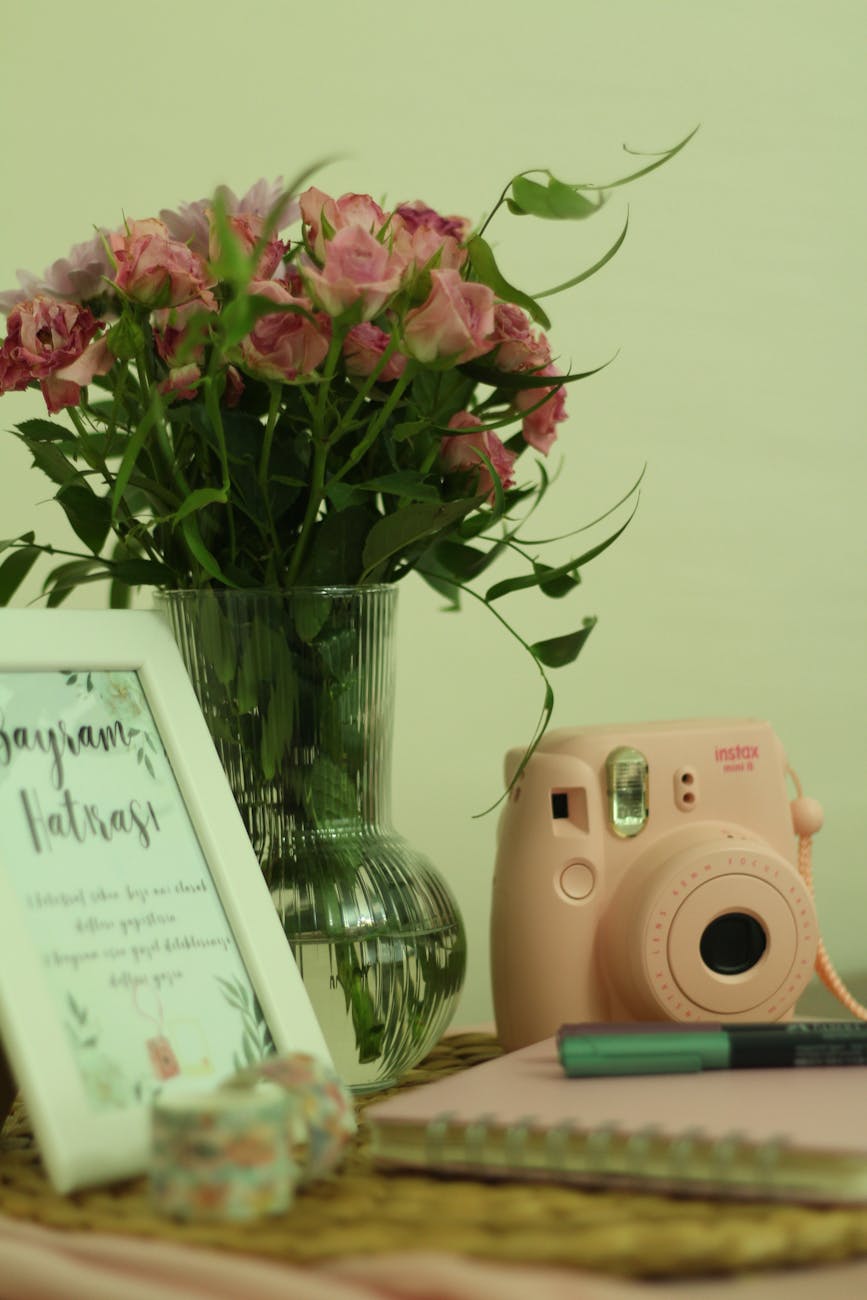
🩷SOFT GIRL CAPITALISM🩷
Soft girl aesthetic: The trend consists mainly of soft pastel colors, Y2K, anime, K-pop, and 1990s-inspired clothing, as well as cute and nostalgic prints with flowers and hearts, stuffed animals, fluffy pillows, and other soft and cuddly items. This seemingly innocent trend fuels the consumer economy. Today, young women are increasingly embracing this aesthetic. Why? Because they believe they can become more girly and fashionable thanks to this trend. This could actually be a logical way to reflect themselves. It could even be a way to romanticize life. But today, I’ll focus more on the capitalist side of things, not those.
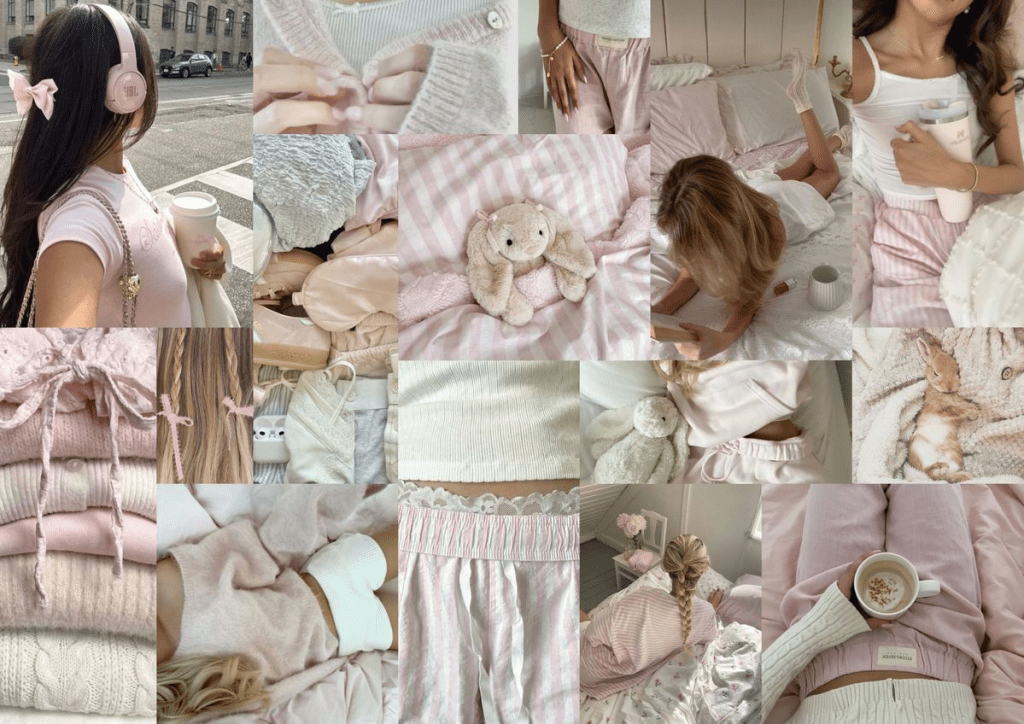
Products marketed with pastel colors 🐰
This trend has led brands to design their products in soft pastel colors. For example, the same product, which could have cost $10, is now being asked for $20 just because it’s in a pastel color. Furthermore, because social media shapes our perception of luxury (and these colors have been considered a luxury) brands market their products in these colors using the “luxury-looking yet affordable” product strategy.
Social norms through consumption
The “soft girl” image hasn’t just impacted what we buy; it has also impacted the perception of femininity. Pink and soft pastel shades have become categorized as “women’s colors” because women on social media often wear them (though it’s not a true category, it’s become a social norm), and these colors have begun to be sold in women’s sections in clothing stores. I believe this has negatively impacted the perception of femininity. While women used to wear bold colors like black, red, crimson, and brown (which can even be seen in artworks from past), their current preference for pastels has created the perception that women are fragile, impressionable, emotional, girlish, and even in need of assistance on certain things. It has also reinforced the image of “ideal femininity.”
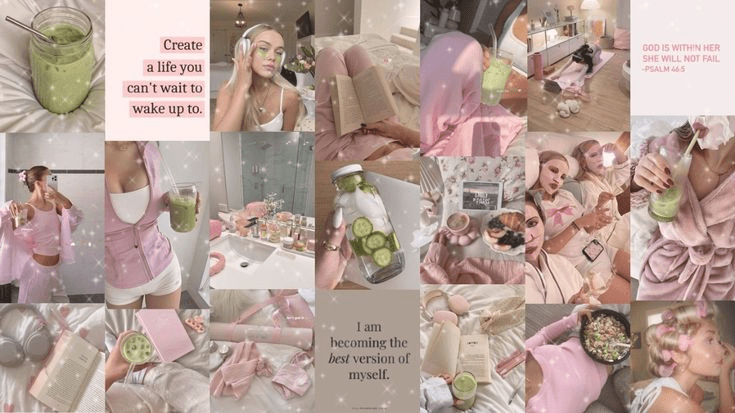
Advertising and consumer protection laws
This trend sells you a “sweeter, purer, more elegant” lifestyle. The problem is, the consumer buys the product not because they need it, but because they want to embody that image. This is a classic example of emotional manipulation. Furthermore, misleading advertising is prohibited in advertising; that is, you can’t portray a product as having a feature it doesn’t have. However, within the soft girl aesthetic, the product is often sold not for its “features,” but rather for the promise of a lifestyle or identity. For example, a simple jacket or a lip gloss is marketed with the message, “You too can have the soft girl vibe.” This isn’t directly misleading, but it is manipulative.
From a political perspective…
Government consumer protection agencies (e.g., the Advertising Board in Turkey, the FTC in the US, and the Consumer Protection Cooperation in the EU) struggle to limit these aesthetic manipulations because there’s no concrete, demonstrable “deception.” This creates a political debate: “Should the state restrict companies from influencing consumers through aesthetics, or does this fall within the realm of individual freedom?” Companies claim they simply offer aesthetics and that anyone who wants it can buy it, while critics argue that they deliberately make consumers dependent on the aesthetic illusion.
In my opinion
In my opinion, the soft girl aesthetic isn’t just a “pastel marketing tactic.” It’s a phenomenon that pushes the boundaries of consumer law, even blurring the line between free choice and manipulation. Advertisements aligned with this trend reinforce social pressure rather than fostering individual freedom. I hope this has changed your perspective, even if only slightly, and you enjoyed reading it:)

Leave a comment